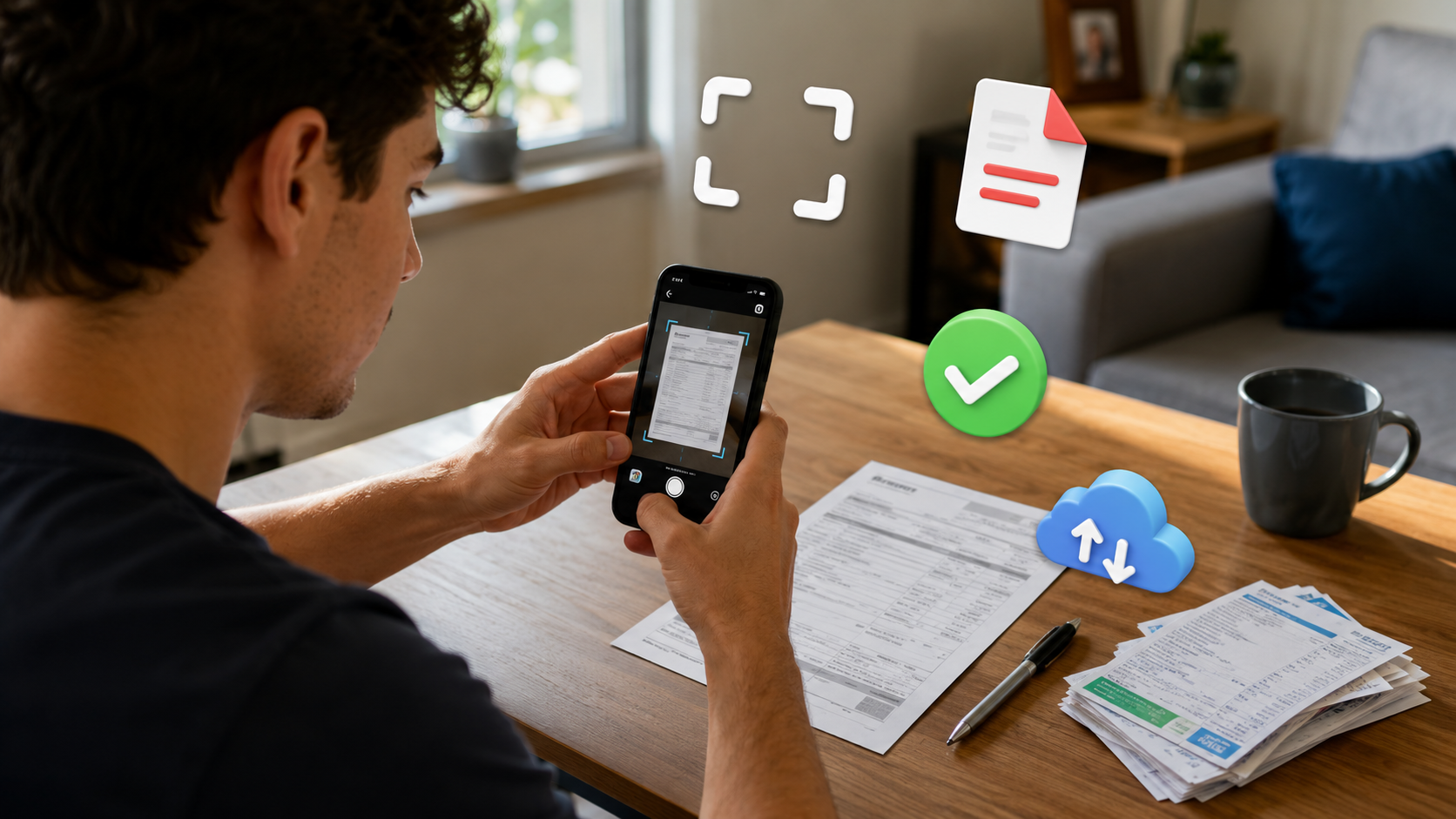
App to Clean Your Phone: Increase Memory Without Deleting Anything

When a cell phone displays a "storage full" warning, many people think about deleting old photos, videos, or conversations. However, a app to clean your cell phone It helps to understand what takes up space before any major exclusions.
In practice, "increasing memory" means freeing up storage space occupied by temporary files, duplicates, forgotten downloads, repeated images, and rarely used applications. Therefore, a proper cleanup begins with analysis, not haste.
This precaution is important because cell phones store family photos, documents, receipts, messages, work files, and personal data. Therefore, the best decision depends on reviewing each category and confirming what can actually be deleted.
What does clearing your phone's memory mean in practice?
Mobile phone storage functions as a limited space. Photos, videos, apps, audio, documents, downloaded files, and temporary data occupy this space every day.
When the device is nearly full, it may take longer to open apps, fail to update, freeze more frequently, or prevent new downloads. However, not all slowness is due to lack of space, as battery life, outdated operating systems, and limited hardware also play a role.
Often, the problem arises from the accumulation of small, forgotten files. Videos received in groups, duplicate images, old screenshots, PDFs downloaded once, and accumulated cache can take up a significant amount of memory over time.
App to clean your phone
A cleanup tool organizes storage readings and shows items that might make sense to remove. It usually separates categories such as large files, duplicates, old downloads, images from messaging apps, and cache.
This type of app shouldn't take on the role of automatically "fixing" the phone. In practice, it works best as a visual aid to help the user decide what they want to keep, move, review, or delete.

Google Files
Among the simplest options, the Google Files It works well for those who want a straightforward experience. The tool shows available space, organizes files by category, and helps find large, duplicate, or old items.
Therefore, this app usually makes sense for beginners who want to clean their phone without messing with advanced settings. Additionally, it works well for those who only need to visually review downloads, duplicate images, and large files.
CCleaner
Those who want a more detailed analysis can consider CCleaner. The app identifies unnecessary files, shows storage usage, and helps evaluate installed applications.
However, the tool requires caution before any deletion. Since it displays multiple suggestions simultaneously, the user needs to verify that the indicated items do not include personal files, useful documents, or important data.
AVG Cleaner
Already AVG Cleaner It can help those who accumulate many photos, videos, and resource-intensive apps. Its purpose involves analyzing images, locating similar or duplicate files, and indicating apps that take up a lot of space.
Therefore, this option makes more sense when the gallery takes up a lot of storage space. Even so, manual review remains important, especially before deleting similar photos, old videos, or images received through messaging apps.
How to choose the best app for your needs.
The ideal choice varies depending on the type of problem. For basic cleaning, Google Files usually works well. When a more detailed system overview is needed, CCleaner can be helpful.
To review photos, videos, and apps more frequently, AVG Cleaner might make sense. Before installing any option, consider whether your biggest problem lies with downloads, the gallery, large apps, or the cache.
Another important point involves the clarity of the screens. A good app shows what it intends to remove before confirmation. When the tool uses confusing terms, promises deep cleaning, or tries to create urgency, it's best to proceed with caution.
A safe step-by-step guide to freeing up space.
Start by opening your phone's settings and checking the storage area. This diagnostic will show you if photos, videos, apps, documents, system files, or temporary files are taking up the most space.
Next, review your downloads folder. It usually contains old invoices, duplicate PDFs, images used once, files received via message, and documents that have already been moved to another location.
Next, look for large videos. High-resolution recordings, group videos, and saved files from social media can take up much more space than regular photos.
Next, check for duplicate files and old screenshots. Before deleting, open important items and see if they contain receipts, work data, or personal information.
Finally, clear your cache sparingly. The cache stores temporary data that speeds up app loading. After clearing it, some apps may open a little slower the first time.
What to remove with the least risk
Temporary files, old downloads, duplicate images, and useless screenshots are usually the first to be reviewed. Even so, the user needs to manually check each deletion.
Infrequently used apps also deserve attention. If a game, video editor, or old app hasn't opened in months, it might make sense to uninstall it. Before doing so, check if it stores any important data.
Another point of care involves the difference between Clear cache e clean storage. Clearing the cache removes temporary data. Clearing storage, on the other hand, can delete sessions, preferences, internal files, and information saved in the app.
Common mistakes when trying to free up memory.
A common mistake involves deleting files based solely on size. A large video might have sentimental or professional value, while dozens of small files may be completely useless.
Another problem arises when the user believes in promises of guaranteed improvement. An app can organize files and help with cleaning, but it doesn't transform an old phone into a new device.
There is also a risk in manually deleting unknown folders. Some folders store data necessary for applications to function. Therefore, when in doubt, prefer the system's own options or a reliable tool.
When to seek technical assistance
Seek support if your phone remains full even after removing large files, clearing cache, and uninstalling unused apps. This behavior may indicate a system failure, a corrupted file, or an abnormal accumulation of data by an application.
Seek help if the device restarts on its own, overheats, freezes frequently, doesn't update, or doesn't recognize the memory card. In these cases, the cause may go beyond routine cleaning.
If the device stores very important photos, videos, or documents, avoid risky DIY solutions. The fewer changes you make after noticing a loss, the better the chances of recovery will be.
Practical checklist
- Check in the settings which category takes up the most space.
- Review old downloads before deleting personal photos.
- Search for large videos saved in your gallery and in messages.
- Check for duplicate files before confirming deletion.
- Clear the cache, but avoid clearing storage without understanding the effect.
- Uninstall apps that haven't opened in months.
- Back up important photos and documents before cleaning.
- See if messaging apps save media automatically.
- Delete old screenshots with no relevant data.
- Read the permissions before installing a cleaning tool.
- Avoid apps that make exaggerated performance promises.
- Seek support if your storage remains full for no clear reason.

Conclusion
Freeing up space on your phone without losing important files requires analysis and patience. The best approach involves understanding what's taking up memory, reviewing categories, and confirming each deletion before acting.
Google Files, CCleaner, and AVG Cleaner can help in different situations. However, none of them replaces the user's own careful review of photos, documents, videos, and personal files.
Do you usually have more problems with photos, videos, downloads, or resource-intensive applications?
What part of cleaning your phone still makes you feel the most insecure?
Frequently Asked Questions
Does clearing the cache delete photos from your phone?
Normally, no. The cache collects temporary data from applications. Even so, check that the chosen option shows "clear cache" and not "clear storage".
Which app is best suited for beginners?
Google Files usually serves well those who want a simple experience. It organizes files by category and offers easy-to-understand suggestions.
When does CCleaner make the most sense?
This option can help those who want a more detailed analysis of their storage. However, novice users should review each suggestion before deleting any item.
Does AVG Cleaner help with duplicate photos?
Yes, it can help locate similar images, duplicate files, and low-quality photos. However, the user still has to manually decide what to delete.
Does cleaning your phone improve its speed?
It can help when storage is nearly full. However, slowness can also be related to battery, processor, outdated system, or too many apps running in the background.
Can I delete internal folders manually?
Avoid deleting unknown folders. Some contain important data for applications and the system. Opt for reliable tools or the phone's native options.
Useful references
Google Play — Files by Google: Google Play
Google Play — CCleaner: Google Play
Google Play — AVG Cleaner: Google Play